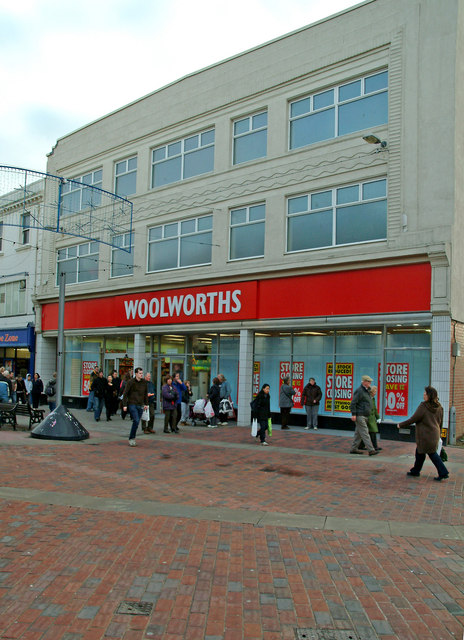
Woolworths UK Collapse: The End of a 99-Year High Street Saga and 27,000 Jobs Lost
The British high street, a landscape constantly reshaped by shifting consumer habits and economic pressures, witnessed one of its most poignant farewells in late 2008. After 99 years of trading, Woolworths UK, a beloved institution synonymous with pick 'n' mix sweets, stationery, toys, and CDs, shut its doors for good. This devastating collapse marked the end of an era, plunging 27,000 permanent and temporary employees into unemployment and leaving a gaping hole in countless communities. The story of Woolworths UK's demise is a stark reminder of the challenges faced by traditional retailers and the intricate web of financial dependencies that can quickly unravel a seemingly indestructible empire. Understanding the roots of this profound
woolworths store problem offers invaluable insights into the fragility of retail giants.
A High Street Behemoth's Century-Long Reign
The tale of Woolworths in the UK began in 1909, when American entrepreneur F.W. Woolworth opened his first British store in Liverpool. His vision was simple: a "five and dime" store offering a wide array of goods at affordable prices. Over the decades, Woolworths became a quintessential part of British life. It was a place where generations of children spent their pocket money on sweets, where families bought their school supplies, and where teenagers discovered new music. Its sprawling stores, often occupying prime locations on high streets across the nation, were more than just shops; they were community hubs, meeting points, and repositories of everyday memories.
Woolworths’ appeal lay in its eclectic mix of products and its accessibility. From household essentials to seasonal decorations, from garden tools to the latest chart-topping singles, Woolworths truly offered "a little bit of everything." This diverse offering, coupled with its distinctive red logo, cemented its place in the national consciousness. For nearly a century, it navigated economic booms and busts, world wars, and changing fashion trends, consistently adapting its merchandise to remain relevant. However, as the 21st century dawned, the retail landscape underwent a seismic shift, and the very model that had defined Woolworths for so long began to show cracks, leading to an increasingly complex
woolworths store problem.
The Unravelling: A Deep Dive into the Woolworths Store Problem
The seeds of Woolworths' downfall were sown long before its final closure. While the 2008 global financial crisis undoubtedly delivered a crushing blow, the company had been struggling under the weight of mounting debts for years. Its wide-ranging product strategy, once a strength, became a weakness as specialist retailers and supermarkets began to dominate individual categories, offering greater choice and often sharper pricing. Discount retailers and the burgeoning online shopping sector further eroded Woolworths' competitive edge, leaving it in a difficult middle ground, struggling to define its unique selling proposition.
However, the immediate trigger for the collapse was a critical breakdown in its supply chain financing. Like most retailers, Woolworths relied heavily on trade credit from its suppliers. This allowed them to receive goods, sell them, and then pay their suppliers within an agreed timeframe, typically 30, 60, or even 90 days. Trade credit insurers play a crucial role in this ecosystem, covering suppliers against the risk of non-payment by retailers. When administrators were called in due to Woolworths' escalating debts, these trade credit insurers withdrew their cover for the company's suppliers.
This withdrawal created an insurmountable obstacle. Suddenly, suppliers demanded cash upfront for their goods, a move Woolworths simply could not afford. Without stock, stores couldn't trade, and without trading, revenue dried up completely. This spiral of declining credit, inability to purchase stock, and plummeting sales was the death knell. It highlighted a critical vulnerability in the modern retail business model: without the smooth flow of credit, even established giants can be brought to their knees. This financial crunch quickly escalated from a general
woolworths store problem to an existential crisis. To delve deeper into the intricate financial mechanisms that contributed to this crisis, explore
Debt & Supplier Credit: Unpacking Woolworths UK's Downfall.
The Final Countdown: Store Closures and Their Human Impact
With no last-minute rescue forthcoming, the administrators began the grim task of liquidating assets and closing stores. The initial wave of over 200 Woolworths stores across Britain closed their doors on a somber Saturday in late December. These included iconic branches in Prestwick, Liverpool (the very city where it all began), Llandudno, and Gateshead. The closures were staggered, creating a protracted and painful farewell for staff and shoppers alike. Another 200 stores followed on December 30, a further 200 on January 2, with the remaining branches ceasing trading by January 5, 2009.
Shop windows, once vibrant displays of new products, now bore stark countdowns, showing exactly how many days were left before closure. This public ticking clock served as a poignant symbol of the impending loss, drawing in bargain hunters eager to snap up the last remaining deals from the closing down sales. While these sales generated a final surge of activity, they couldn't mask the underlying tragedy. The emotional toll on the 27,000 employees – a mixture of long-serving staff and temporary Christmas hires – was immense. Many had dedicated decades of their lives to the company, and suddenly faced an uncertain future, just after the festive period. The collapse of Woolworths was not just a business failure; it was a deeply personal blow to thousands of families and a significant loss for the fabric of the British high street. For a broader view on why such an iconic presence vanished, refer to
High Street Icon Fades: Why Woolworths UK Closed Its Doors.
Lessons from the UK's Largest Retail Collapse
The demise of Woolworths UK serves as a cautionary tale for the entire retail industry, illustrating several critical lessons:
1.
The Imperative of Adaptation: In a rapidly evolving market, an inability to adapt to changing consumer behaviours, technological advancements (like e-commerce), and new competitive pressures can be fatal. Woolworths struggled to redefine its identity in an era of online shopping and specialized retail.
2.
Financial Prudence and Debt Management: Excessive debt can quickly become an unmanageable burden, particularly during economic downturns. Maintaining a healthy balance sheet and prudent financial management are paramount.
3.
Supply Chain Resilience and Credit Management: The reliance on trade credit insurance is a fundamental aspect of modern retail. Businesses must understand their exposure to credit risk, diversify supplier relationships where possible, and actively monitor the health of their supply chain partners. A sudden withdrawal of credit can halt operations instantaneously.
4.
Defining a Unique Value Proposition: In a crowded market, a clear and compelling reason for customers to choose one store over another is essential. Woolworths' "everything for everyone" approach eventually made it "nothing special for anyone" in the eyes of many consumers.
5.
The Power of Online: The collapse predated the full maturity of e-commerce, but it highlighted the growing importance of a robust digital strategy. Retailers today must integrate online and offline experiences seamlessly.
Conclusion
The collapse of Woolworths UK was more than just a business failure; it was a watershed moment that symbolized the end of an era for the British high street. Its 99-year legacy, marked by generations of loyal customers and dedicated staff, came to an abrupt and heartbreaking end, with 27,000 jobs lost in the process. The core
woolworths store problem was a complex interplay of mounting debt, fierce competition, an identity crisis, and ultimately, a catastrophic loss of supplier credit insurance. Its story remains a powerful reminder of the delicate balance required for retail success in a constantly shifting landscape, underscoring the vital need for innovation, financial astuteness, and an unwavering focus on evolving customer needs to survive and thrive. While the physical stores may be gone, the memories of Woolworths, with its distinctive charm and ubiquitous presence, continue to resonate in the hearts of many Britons.